





Which Bidirectional Inverter Manufacturers Offer OEM Services?
Bidirectional inverters are pivotal in modern energy systems, enabling efficient energy flow between power sources and storage units. For those new to this technology, understanding the landscape of manufacturers and their Original Equipment Manufacturer (OEM) services is crucial.
1. What are bidirectional inverters, and how do they function?
Bidirectional inverters are devices that facilitate the conversion of direct current (DC) to alternating current (AC) and vice versa. This functionality allows energy to flow both from power sources to storage systems and from storage systems back to the grid or load, optimizing energy usage and storage. They are integral in applications such as solar energy systems, electric vehicle (EV) charging stations, and energy storage solutions.
2. Which manufacturers specialize in bidirectional inverters?
Several reputable manufacturers specialize in bidirectional inverters, offering a range of products tailored to various applications:
Delta Electronics Inc.: Delta has developed a household-use energy storage system that integrates solar power, power storage, and EV bi-directional charging and discharging into a single device, simplifying system setup for households.
BorgWarner: BorgWarner has secured contracts to supply dual inverters to major Chinese OEMs for hybrid vehicles, showcasing their expertise in the field.
Enphase Energy, Inc.: Enphase is known for its solar micro-inverters and energy storage solutions, providing advanced inverter technologies for residential customers.
Tigo Energy, Inc.: Tigo specializes in module-level power optimizers and smart module power electronics, enhancing the performance and safety of solar energy systems.
3. What OEM services do bidirectional inverter manufacturers offer?
Many manufacturers provide OEM services, allowing businesses to customize inverters to meet specific requirements. For instance, JCPOWER offers custom power inverters with in-house engineering and standardized testing facilities, delivering solutions aligned with application standards and power specifications.
4. How do bidirectional inverters enhance energy efficiency?
By enabling two-way energy flow, bidirectional inverters allow for the storage of excess energy generated from renewable sources, which can be utilized during peak demand periods or when generation is low. This capability reduces reliance on the grid, lowers energy costs, and supports the integration of renewable energy sources into the power system.
5. What are the key considerations when selecting a bidirectional inverter?
When choosing a bidirectional inverter, consider the following factors:
Power Rating: Ensure the inverter's capacity matches your energy requirements.
Efficiency: Higher efficiency reduces energy losses during conversion.
Compatibility: Verify that the inverter is compatible with your existing energy systems and components.
Reliability and Warranty: Opt for manufacturers with a proven track record and comprehensive warranty offerings.
6. How do bidirectional inverters contribute to sustainable energy practices?
By facilitating efficient energy storage and utilization, bidirectional inverters play a crucial role in reducing carbon footprints. They enable the integration of renewable energy sources, support grid stability, and promote energy independence, aligning with global sustainability goals.
In conclusion, selecting the right bidirectional inverter manufacturer and understanding their OEM services are vital steps toward optimizing energy systems. By considering factors such as power rating, efficiency, and compatibility, you can make informed decisions that enhance energy efficiency and support sustainable practices.
For personalized assistance and to receive a tailored quote, please contact us at info@csinverter.com or visit our website at www.csinverter.com.


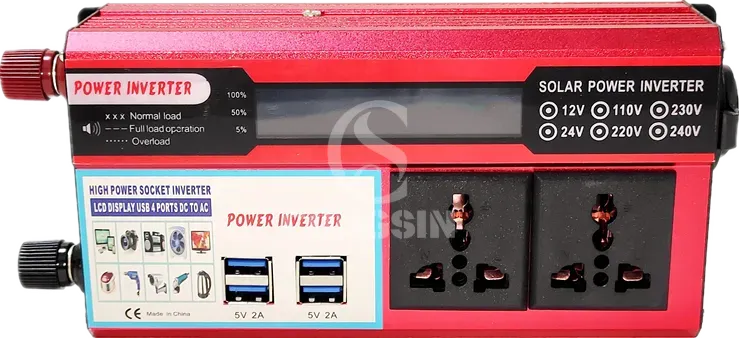
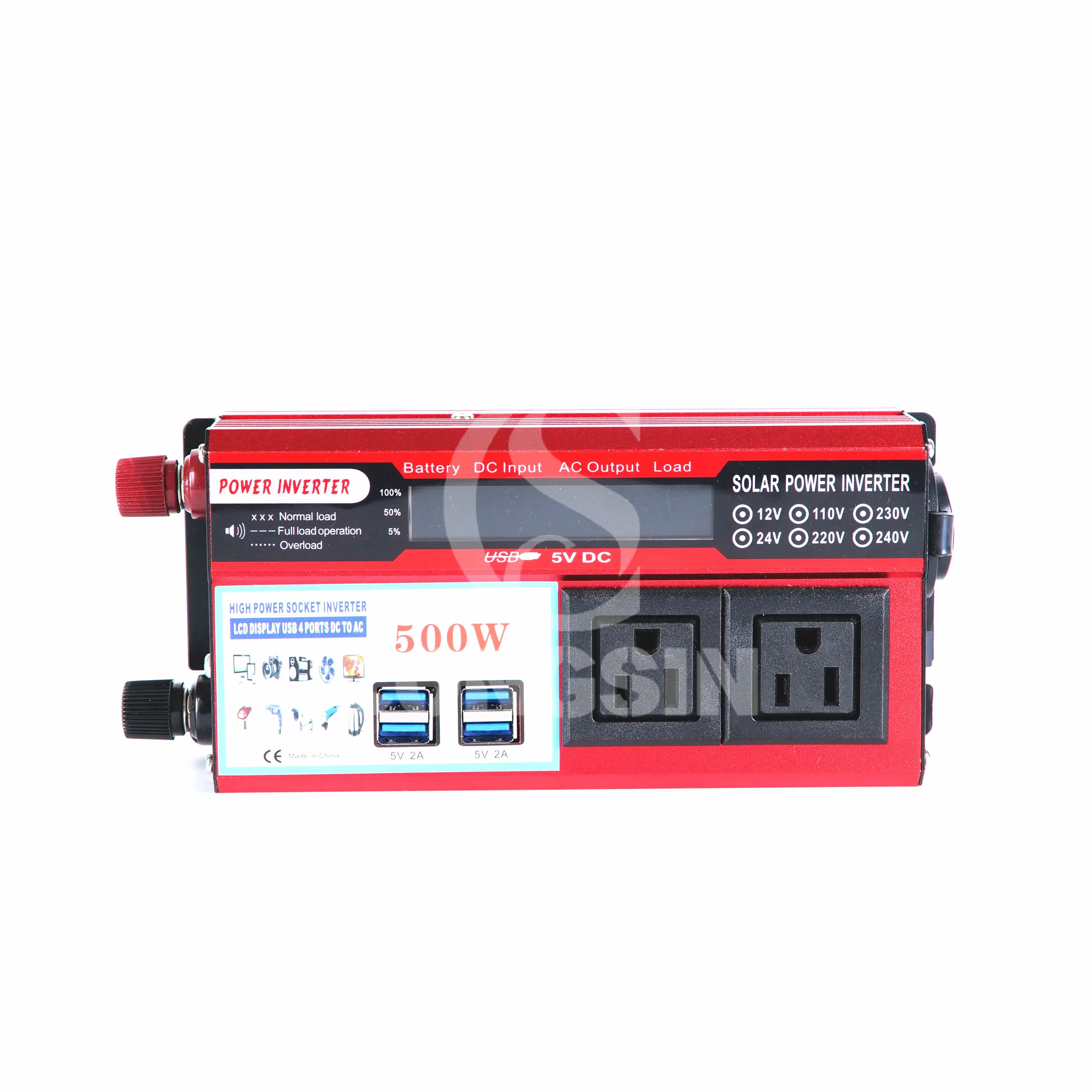
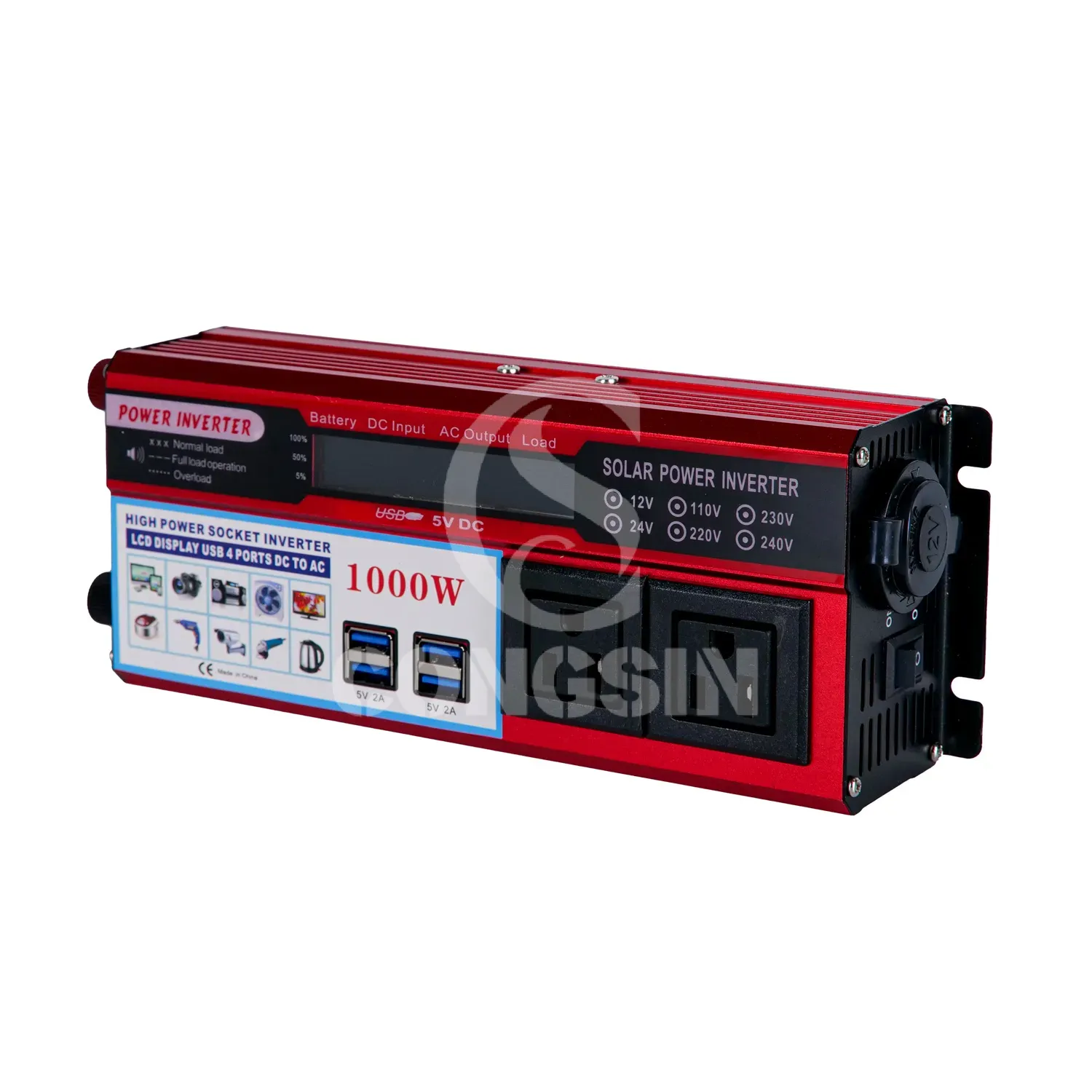
Modified Sine Wave Inverters
How to connect to the battery?
Use the included battery clips, connect the red clip to the positive pole of the battery and the black clip to the negative pole. Ensure good contact and no short-circuit risk when connecting.
Is it normal for the inverter to heat up when working?
It is normal for it to generate some heat when working. If the temperature is too high (e.g., hot to the touch), please stop using it and check if the load is overloaded.
Does the UPS function require additional mains connection?
Yes. The inverter needs to be connected to a home/office socket via the included mains cable, and the device will automatically detect the mains status; when the mains power is interrupted, it will switch to battery power immediately.
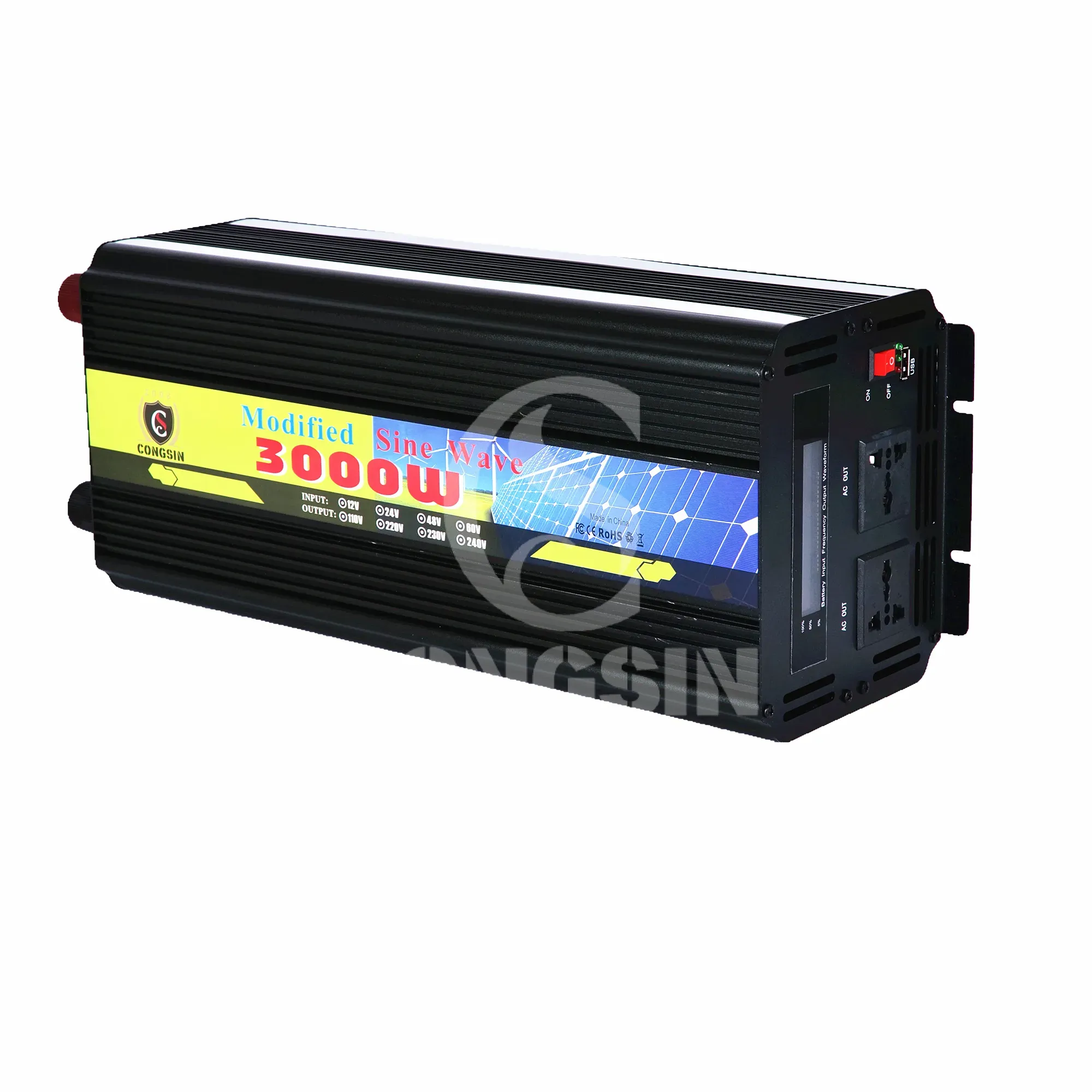
Pure Sine Wave Inverters
What happens if the positive and negative poles are reversed when connecting the battery?
The device features built-in reverse polarity protection. If the positive and negative terminals are connected incorrectly, the circuit will automatically disconnect to prevent damage to the equipment. Simply adjust the battery clip connections (red clip to positive terminal, black clip to negative terminal), then restore power to resume normal operation.
Will reversing the positive and negative poles damage the device when connecting the battery?
The device has a built-in reverse connection protection function, which will automatically cut off the circuit when the positive and negative poles are reversed to avoid damage caused by reverse current inflow; just adjust the connection order of the positive and negative poles of the battery clip and re-power on to use normally.
Get in Touch with Our Team
You can also communicate with us directly through our online contact form. Please fill in the following information, and our team will contact you as soon as possible after receiving your message.

CONGSIN is a trusted OEM factory for power inverters, solar charge controllers, and DC converters. Reliable solutions for global B2B buyers.
 High Quality
 7/24 Service
 Guaranteed Warranty
© 2025 Congsin. All Rights Reserved.